
 English
 Español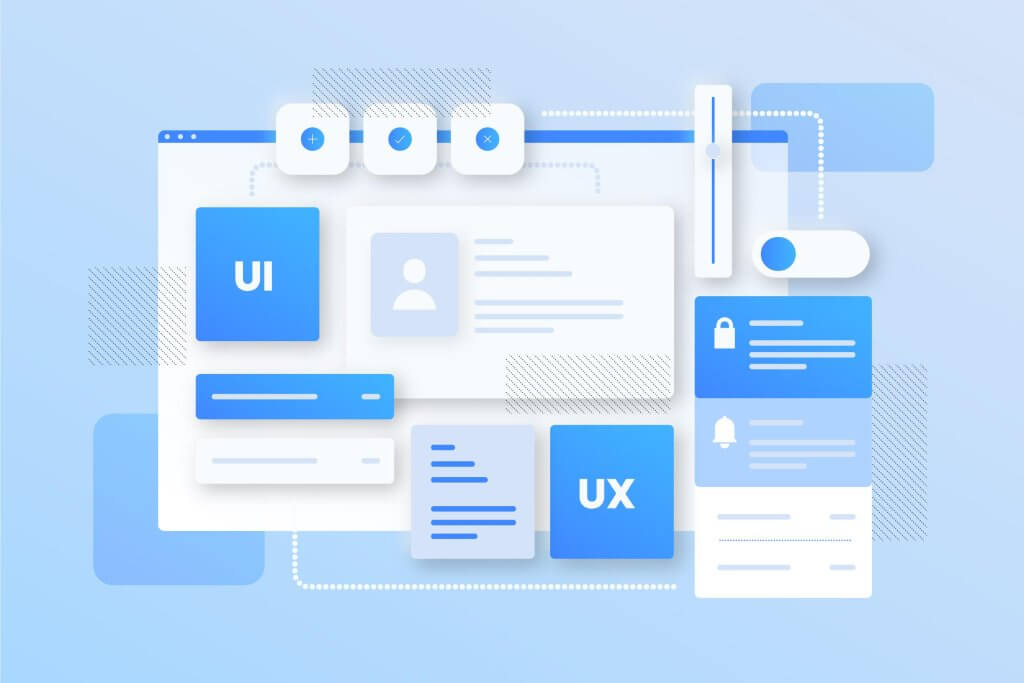
Today, user interface (UI) design is a fundamental part of any digital product. It is not just about making an app or a website look nice, but about making it easy to use, pleasant, and genuinely connected to people. The interface is the meeting point between users and technology, and it largely determines whether the experience feels smooth or frustrating.
Over time, UI design has changed a lot. In its early days, interfaces were mainly used to access information in a basic way, but with the arrival of the internet and personal devices, their importance grew quickly, especially in areas like social media, online shopping, and entertainment. Today, the main goal is to design with people in mind, considering not only functionality but also comfort, accessibility, and users’ emotions.
Interface design increasingly relies on understanding human behavior and on combining technology, empathy, and personalization. Because of this, the interface is no longer just a tool, but a space where a relationship between people and technology is built.
Human-focused design
User-centered design continues to be the foundation of UI. This means observing how people interact, testing solutions, spotting problems, and improving constantly. Clarity and simplicity are essential to creating interfaces that are easy to understand and use, and minimalism is still present, though with a more practical approach. It is no longer about removing elements for aesthetic reasons, but about keeping only what truly adds value.
Using readable typography, good contrast, and well-organized content helps reduce users’ mental load. Accessibility is no longer a secondary concern. Designing interfaces that can be used by everyone, including people with disabilities or technological limitations, is now an ethical and social responsibility.
Artificial intelligence and new ways of interaction
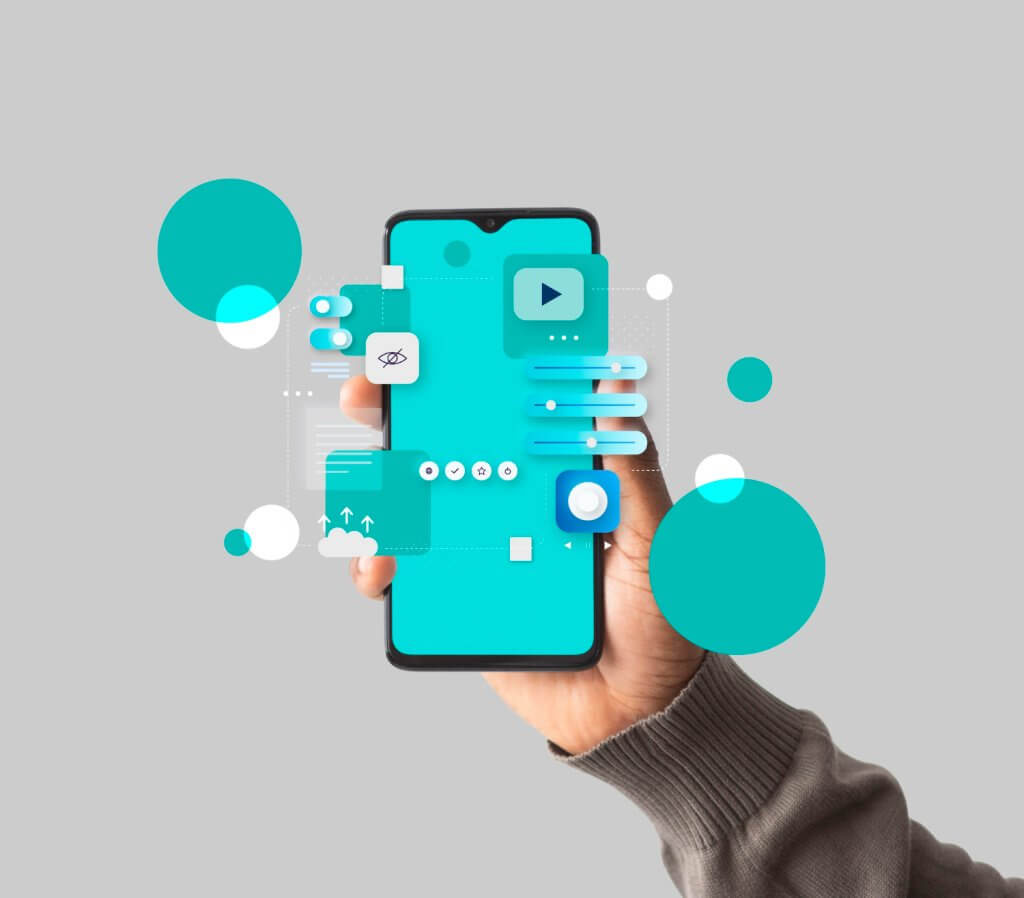
One of the most important changes in interface design is the integration of artificial intelligence. Thanks to it, many digital experiences adapt to user behavior almost in real time, with menus that reorganize based on usage, personalized recommendations, or automatic color and brightness adjustments. All of this makes the experience more comfortable and personal, although it also raises challenges related to privacy and responsible data use.
At the same time, the ways we interact with technology have changed. The keyboard and mouse are no longer the only options. Voice interfaces, gestures, and immersive experiences are now part of everyday life. Virtual assistants like Alexa or Google Assistant, together with augmented reality and virtual reality, offer new ways of communicating with the digital environment.
Microinteractions and subtle animations also play an important role. They add fluidity, help users understand what is happening at each moment, and make the overall experience feel more natural and enjoyable.
Emotion, inclusion, and sustainability in design
Emotional design has become increasingly important in modern interfaces. It is no longer enough for a product to work well; it also needs to create positive feelings and build trust. The use of color, typography, and motion is intentional, aimed at creating memorable and approachable experiences.
This is complemented by multisensory design, which begins to incorporate sounds, vibrations, and tactile responses to enrich interaction. At the same time, interfaces need to be flexible and adapt to different devices and contexts of use, from mobile phones and computers to smartwatches or augmented reality environments.
Digital sustainability has also become a growing concern. Optimizing resources, reducing energy consumption, and designing lighter interfaces are increasingly valued practices. Alongside this, inclusion remains essential. Designing for people with different abilities, ages, and levels of technological experience is not an extra, but a core part of good design.
The Evolving Role of Designers
Artificial intelligence has also changed how interfaces are designed. Today, there are tools that help create prototypes, suggest visual styles, or analyze usability automatically, which speeds up workflows and makes professional design more accessible.
Even so, the role of the designer remains essential. Their job is no longer just to execute tasks, but to make decisions, provide judgment, and ensure that technology keeps a human focus. The future of UI design lies in balanced collaboration between people and machines.
Currently, user interface design is more human than ever. It has moved beyond purely visual concerns to integrate technology, emotions, and values. Current trends point toward experiences that are smarter, more inclusive, and better adapted to people and their contexts.
The real challenge of UI design is finding the right balance between innovation and humanity. The best interfaces will be those that work well, look good, and make users feel good. In the end, designing an interface means designing an experience and a way for people to relate to technology.
References
- Nous Agency (2025). UX/UI design trends for 2025: aesthetic innovation and functionality.
- Coderhouse (2025). Current trends in UX/UI design.
- Mobivery (2025). New developments and trends in UX/UI design in 2025.
- Medium (2025). Top UI/UX Design Trends You Must Know in 2025.
- Aufait UX (2025). UI/UX Trends 2025.
- CPO Club (2025). UX Design Trends.
- Lummi.ai (2025). UI Design Trends 2025.
- The Bridge Tech School (2025). UX/UI Design Trends 2025.
- Pixelmatters (2025). 8 UI Design Trends 2025.
- arXiv (2025). Research on Generative Design Systems.